The landscape of work is undergoing a profound transformation, driven by advancements in technology, changing workforce demographics, and evolving attitudes toward work-life balance. In recent years, the rise of remote work and digital collaboration tools has accelerated this transformation, enabling organizations to reimagine traditional work structures and embrace new models of flexibility and productivity. In this article, we explore the future of work, examining the trends shaping the way we work and collaborate in the digital age, and the implications for businesses, employees, and society as a whole.
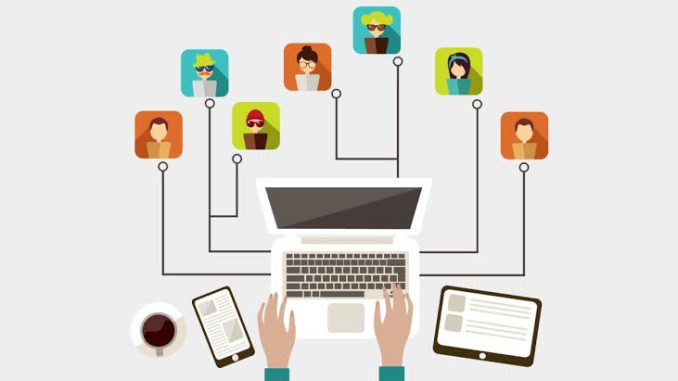
One of the key trends shaping the future of work is the rise of remote and distributed teams, fueled by advancements in communication and collaboration technologies. With the proliferation of video conferencing, cloud-based productivity tools, and project management platforms, employees can now collaborate seamlessly from anywhere in the world, breaking down geographic barriers and enabling organizations to access talent pools globally. Remote work offers benefits such as increased flexibility, autonomy, and work-life balance, while also reducing commuting time and overhead costs associated with traditional office spaces.
Moreover, remote work has become increasingly prevalent in the wake of the COVID-19 pandemic, as organizations were forced to adapt to remote work arrangements to ensure business continuity and employee safety. The pandemic served as a catalyst for digital transformation, accelerating the adoption of remote collaboration tools and prompting organizations to rethink their approach to work and workplace culture. As a result, remote work is expected to become a permanent fixture in the future of work, with many organizations embracing hybrid work models that combine remote and in-person work to accommodate diverse employee preferences and needs.
In addition to remote work, the future of work is characterized by digital transformation, automation, and the adoption of artificial intelligence and machine learning technologies. As organizations seek to streamline operations, improve efficiency, and stay competitive in an increasingly digital marketplace, they are turning to automation to automate repetitive tasks, optimize workflows, and enhance productivity. AI-powered technologies such as chatbots, virtual assistants, and predictive analytics are also transforming the way we work by enabling smarter decision-making, personalized customer experiences, and data-driven insights.
Furthermore, the future of work is shaped by the gig economy and the rise of freelance and independent work arrangements. As more individuals seek flexibility and autonomy in their careers, they are turning to freelancing and gig work as a means of earning income and pursuing their passions. Platforms such as Upwork, Freelancer, and Fiverr have facilitated the growth of the gig economy by connecting freelancers with clients and providing opportunities for remote work and project-based assignments. This shift towards independent work has implications for traditional employment models and organizational structures, as businesses adapt to the changing dynamics of the workforce.
Moreover, the future of work is characterized by a focus on employee well-being, mental health, and work-life balance. As remote work blurs the boundaries between work and personal life, organizations are prioritizing initiatives such as flexible work hours, mental health resources, and wellness programs to support employee health and well-being. Additionally, organizations are recognizing the importance of diversity, equity, and inclusion in the workplace, striving to create inclusive and equitable work environments where all employees feel valued, respected, and empowered to succeed.
Despite the opportunities presented by the future of work, it also poses challenges and implications for businesses, employees, and society. Concerns have been raised about issues such as digital divide, access to technology, and disparities in remote work opportunities, highlighting the need for policies and initiatives that promote digital inclusion and equitable access to remote work opportunities. Additionally, the shift towards remote work and digital collaboration raises questions about cybersecurity, data privacy, and the protection of sensitive information in a distributed work environment, requiring organizations to implement robust security measures and data protection policies.
In conclusion, the future of work is characterized by remote collaboration, digital transformation, and a focus on employee well-being and flexibility. As organizations embrace new models of work and adapt to changing workforce dynamics, they must prioritize initiatives that promote digital inclusion, equity, and diversity in the workplace. By leveraging technology, fostering a culture of flexibility and innovation, and prioritizing employee well-being, organizations can navigate the future of work successfully and thrive in the digital age.