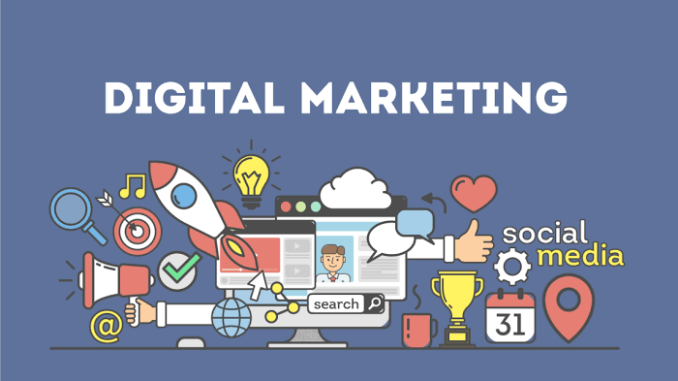
In today’s fast-paced and interconnected world, digital marketing has emerged as a powerful force driving businesses forward, reshaping industries, and revolutionizing the way brands engage with consumers. With the proliferation of digital technologies, social media platforms, and online channels, the traditional marketing landscape has undergone a profound transformation, giving rise to new opportunities and challenges for marketers. In this article, we explore the digital marketing revolution and provide insights into navigating the new landscape effectively.
### The Shift to Digital
The rise of digital marketing can be attributed to several factors, including the increasing prevalence of internet access, the proliferation of mobile devices, and the changing behaviors and preferences of consumers. Today, consumers spend more time online than ever before, using search engines, social media platforms, and websites to research products, connect with brands, and make purchasing decisions. As a result, businesses have shifted their marketing efforts to digital channels to reach and engage with their target audiences effectively.
### The Digital Marketing Ecosystem
The digital marketing ecosystem is vast and diverse, encompassing a wide range of channels, tactics, and strategies aimed at achieving various marketing objectives. Some of the key components of the digital marketing ecosystem include:
1. **Search Engine Optimization (SEO)**: SEO involves optimizing websites and content to improve visibility and rankings in search engine results pages (SERPs). By optimizing for relevant keywords and providing high-quality content, businesses can attract organic traffic and increase their online visibility.
2. **Social Media Marketing**: Social media platforms such as Facebook, Instagram, Twitter, and LinkedIn offer powerful tools for building brand awareness, engaging with audiences, and driving traffic to websites. Social media marketing involves creating and sharing content, engaging with followers, and running targeted advertising campaigns to reach and connect with potential customers.
3. **Content Marketing**: Content marketing focuses on creating and distributing valuable, relevant, and engaging content to attract and retain a target audience. Content can take various forms, including blog posts, articles, videos, infographics, and podcasts, and can be distributed through websites, social media, email, and other channels.
4. **Email Marketing**: Email marketing remains one of the most effective and cost-efficient digital marketing channels for engaging with customers and driving conversions. Email campaigns can be used to deliver personalized messages, promote products and services, and nurture leads through automated drip campaigns and targeted email sequences.
5. **Pay-Per-Click (PPC) Advertising**: PPC advertising involves placing ads on search engines and other online platforms and paying a fee each time a user clicks on the ad. PPC campaigns can be highly targeted and customizable, allowing businesses to reach specific audiences based on demographics, interests, and behaviors.
### The Power of Data and Analytics
One of the key advantages of digital marketing is the ability to track and measure the performance of marketing campaigns in real-time using data and analytics. By leveraging tools such as Google Analytics, marketers can gain valuable insights into user behavior, website traffic, conversion rates, and more, allowing them to optimize campaigns for better results.
Data-driven marketing enables marketers to make informed decisions, identify trends and patterns, and allocate resources effectively to maximize ROI. By analyzing metrics such as click-through rates, conversion rates, and return on ad spend (ROAS), marketers can identify areas for improvement and refine their strategies to drive better outcomes.
### Personalization and Customer Experience
In the digital age, consumers expect personalized and relevant experiences from the brands they interact with. Digital marketing allows businesses to tailor their messaging and content to individual preferences, interests, and behaviors, creating more meaningful and engaging interactions with customers.
Personalization can take many forms, including personalized email campaigns, targeted advertising, and dynamic website content. By leveraging data and automation tools, marketers can deliver personalized experiences at scale, driving higher engagement, loyalty, and conversions.
### The Future of Digital Marketing
As technology continues to evolve and consumer behavior shifts, the future of digital marketing promises to be dynamic and exciting. Emerging trends such as artificial intelligence, voice search, augmented reality, and chatbots are poised to reshape the digital marketing landscape, offering new opportunities for innovation and growth.
Moreover, as digital marketing becomes increasingly integrated with other business functions such as sales, customer service, and product development, marketers will need to adopt a holistic and customer-centric approach to marketing strategy. This includes breaking down silos, leveraging data across departments, and aligning marketing efforts with broader business goals and objectives.
### Conclusion
In conclusion, the digital marketing revolution has transformed the way businesses connect with customers, driving unprecedented opportunities for growth and innovation. By embracing digital technologies, leveraging data and analytics, and prioritizing personalized customer experiences, businesses can navigate the new landscape effectively and achieve success in an increasingly digital world. As digital marketing continues to evolve, staying informed about emerging trends and best practices will be essential for marketers looking to stay ahead of the curve and drive meaningful results for their organizations.