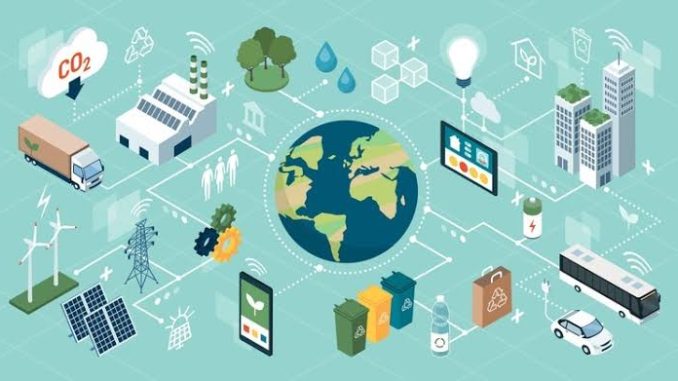
In an era defined by technological advancement and digital innovation, the environmental impact of technology has become a pressing concern for individuals, businesses, and governments worldwide. While technology has the potential to drive progress, improve quality of life, and address global challenges, it also poses significant environmental risks and challenges that must be addressed to ensure a sustainable future for generations to come. In this article, we explore the environmental impact of technology, examining the challenges it presents and the opportunities for innovation and sustainability in the digital age.
One of the key environmental challenges associated with technology is electronic waste, or e-waste, which refers to discarded electronic devices such as smartphones, laptops, and tablets. As consumers upgrade to newer devices at an increasingly rapid pace, the volume of e-waste generated worldwide has reached alarming levels, posing risks to human health and the environment. E-waste contains hazardous materials such as lead, mercury, and cadmium, which can leach into soil and water sources if not properly disposed of, contaminating ecosystems and endangering wildlife.
To address the e-waste challenge, stakeholders must prioritize initiatives that promote responsible e-waste management and recycling practices. This includes implementing extended producer responsibility (EPR) programs that require manufacturers to take responsibility for the end-of-life disposal of their products, as well as investing in e-waste recycling infrastructure and raising awareness about the importance of recycling and proper disposal among consumers. Moreover, efforts to design products with longer lifespans, modular components, and easier repairability can help reduce the volume of e-waste generated and extend the lifespan of electronic devices.
Furthermore, technology has a significant carbon footprint, contributing to greenhouse gas emissions and climate change through energy consumption, manufacturing processes, and electronic waste disposal. The proliferation of data centers, cloud computing, and internet-connected devices has led to increased energy demand and carbon emissions associated with data storage, transmission, and processing. Additionally, the manufacturing of electronic devices and components requires large amounts of energy and resources, further contributing to carbon emissions and environmental degradation.
To mitigate the environmental impact of technology, stakeholders must prioritize energy efficiency, renewable energy sources, and sustainable manufacturing practices. This includes investing in energy-efficient technologies, such as server virtualization, data center cooling optimization, and energy-efficient hardware designs, to reduce energy consumption and carbon emissions associated with technology infrastructure. Moreover, transitioning to renewable energy sources such as solar, wind, and hydropower can help decarbonize the technology sector and reduce its environmental footprint.
Moreover, technology has the potential to drive innovation and enable sustainable solutions to environmental challenges. From renewable energy technologies and smart grid systems to precision agriculture and sustainable transportation, technology offers opportunities to reduce resource consumption, minimize waste, and mitigate environmental impacts across various sectors. For example, the Internet of Things (IoT) enables smart, connected devices to optimize energy usage, monitor environmental conditions, and improve resource efficiency in buildings, cities, and industrial processes.
Additionally, artificial intelligence (AI) and machine learning technologies can be used to optimize energy systems, predict environmental risks, and improve resource management practices. By analyzing vast amounts of data and identifying patterns, AI algorithms can optimize energy consumption, predict equipment failures, and optimize supply chain logistics to reduce waste and minimize environmental impact. Moreover, AI-powered solutions such as predictive maintenance and demand response enable proactive and efficient management of energy resources, reducing costs and emissions associated with energy production and consumption.
Furthermore, technology can empower individuals and communities to take action on environmental issues and drive positive change at the grassroots level. Social media platforms, online communities, and digital advocacy campaigns enable individuals to raise awareness, mobilize support, and advocate for environmental conservation and sustainability initiatives. Moreover, technology platforms such as crowdfunding websites and peer-to-peer lending platforms enable individuals and organizations to finance sustainable projects and initiatives, such as renewable energy installations, conservation efforts, and community-led sustainability initiatives.
Despite its potential, technology also poses ethical and social challenges that must be addressed to ensure that innovation is aligned with sustainability goals and ethical principles. Concerns have been raised about issues such as digital divide, access to technology, and disparities in the distribution of benefits and risks associated with technological advancements. Additionally, questions have been raised about the ethical implications of emerging technologies such as artificial intelligence, biotechnology, and surveillance technologies, highlighting the need for ethical frameworks, regulations, and oversight to ensure that technology is developed and deployed responsibly and ethically.
In conclusion, the environmental impact of technology is a complex and multifaceted challenge that requires collaborative action from stakeholders across sectors to address effectively. By prioritizing initiatives that promote responsible e-waste management, energy efficiency, renewable energy adoption, and sustainable innovation, we can harness the power of technology to drive positive environmental outcomes and create a more sustainable future for generations to come.